












 Talent Assessment
 Emotional Quotient (EQ)
đ
349,000đ
Studies have found that EQ accounts for about 58% of performance in most jobs, and people with high EQ earn more than those with low EQ. However, based on the author's experiments, only 36% of people are able to identify their own emotions.
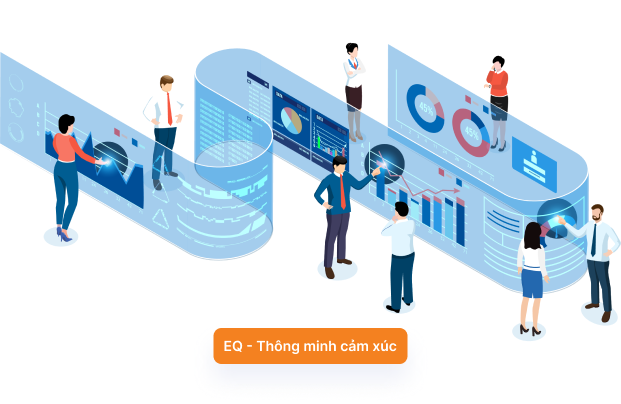
Learn About Emotional Quotient (EQ)
EQ can be applied in various contexts, from personal development, counseling, and coaching, to human resource management and recruitment in businesses. It helps individuals and organizations become aware of the level of development of emotional intelligence skills, thereby identifying opportunities for development and improvement.
What is Emotional Quotient?
Emotional Quotient (EQ) is an assessment designed to measure and analyze a person's ability to perceive, understand, and manage their own emotions and those of others. It is a crucial part of personal and professional development, as EQ affects how we interact, make decisions, and handle relationships around us.
The four components that make up a person's Emotional Intelligence are:
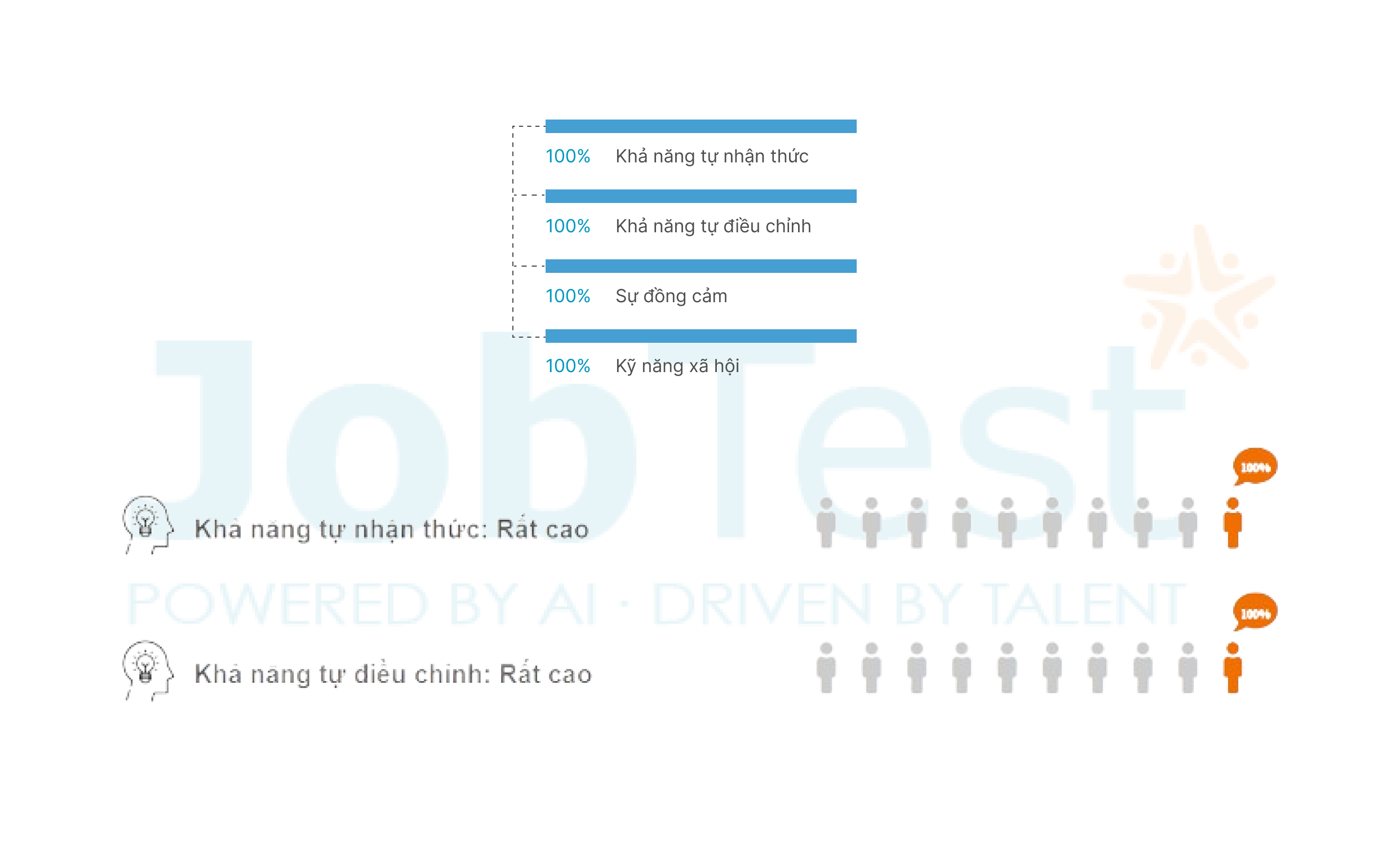
- Self-Awareness
- Self-Management
- Social Awareness
- Relationship Management: The ability to manage relationships
The Details of the Components that Make Up EQ
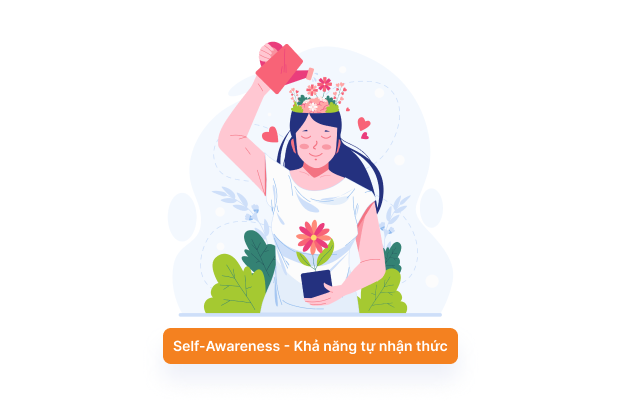
Self - Awareness
This is the ability to recognize and understand one's own emotions. It includes being aware of one's emotions in real time, understanding the origins and impacts of these emotions on behavior, thoughts, and decision-making.
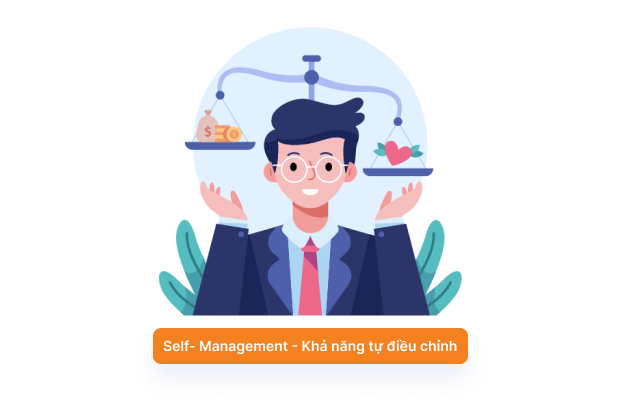
Self-Management
This is the ability to manage and regulate one's own emotions effectively. It includes controlling and regulating emotional responses, maintaining calm and positivity in difficult situations, and adapting to changes flexibly.
Social Awareness
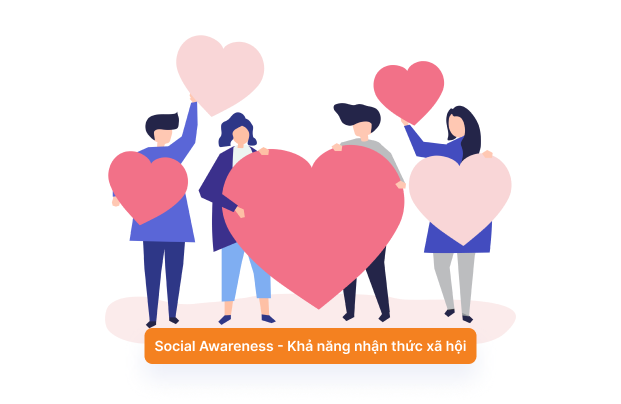
This is the ability to recognize and understand the emotions of others, often known as empathy. It includes being sensitive to the feelings and needs of others, the ability to identify and understand non-verbal signals in communication, and an awareness of social relationships and environments.
Relationship Management
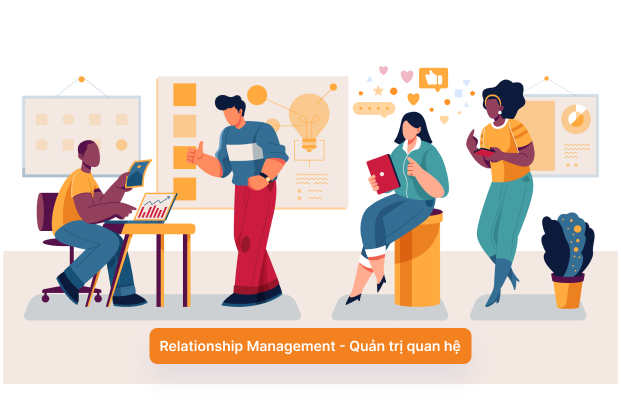
This is the ability to build and maintain good, effective relationships. It involves communication skills, conflict resolution, leadership, team collaboration, and network building. This is the application of understanding emotions (both one's own and others') to create positive interactions and support healthy relationships.


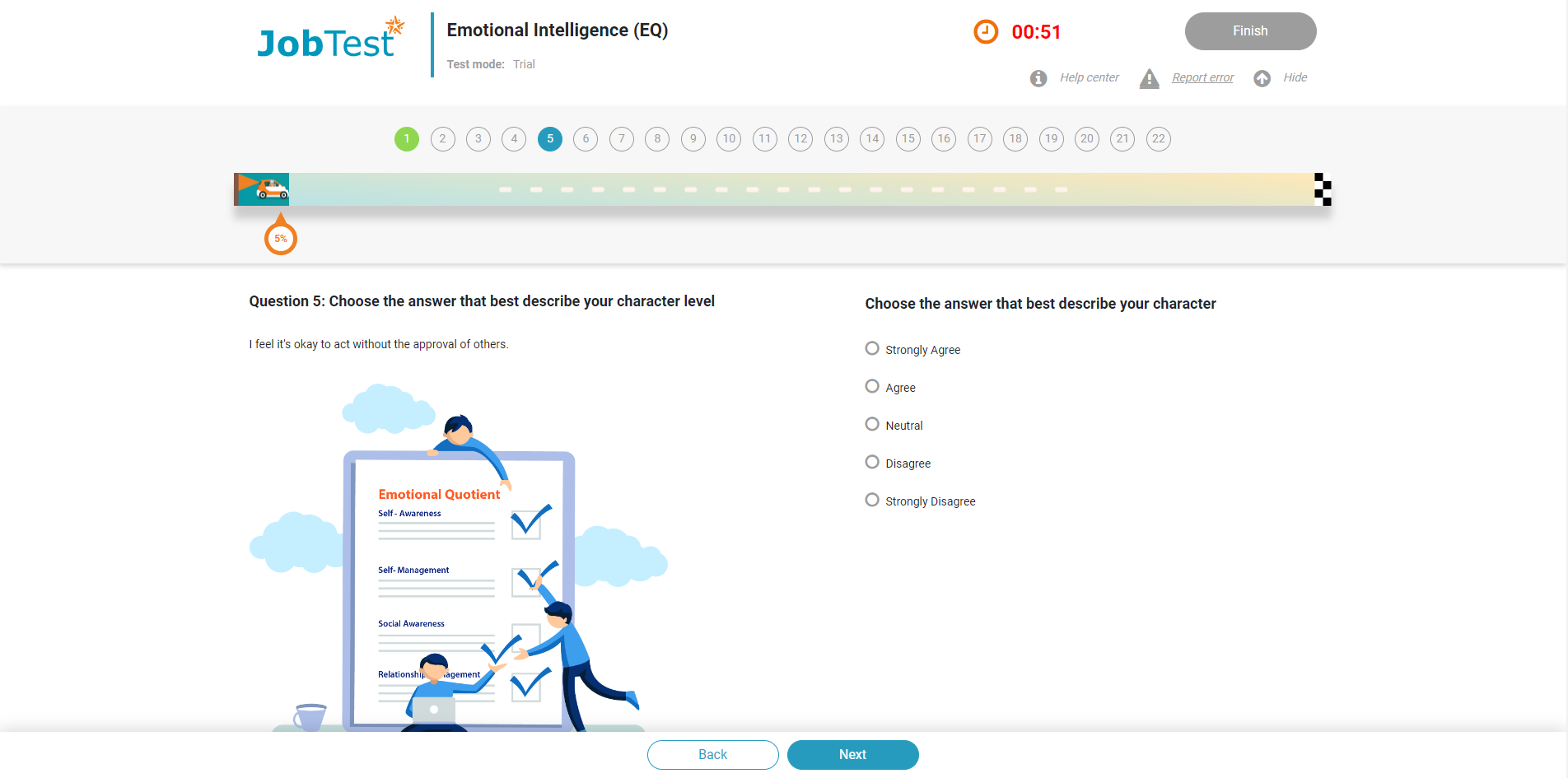
DEMO QUESTION

DEMO REPORT